
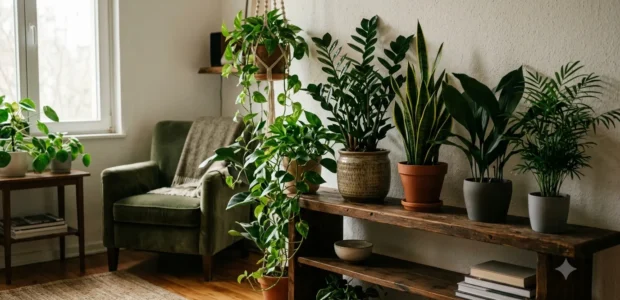

The biggest mistake people make with indoor plants isn’t overwatering or forgetting to fertilize. It’s choosing plants that don’t match the light conditions in their home.
A bright, sun-filled living room can support a wide range of plants. But bedrooms, offices, hallways, and corners away from windows need species that naturally adapt to lower light levels. That’s where low light houseplants stand out. They can’t just survive in dim conditions, they continue to look healthy, attractive, and grow steadily with minimal fuss.
The key is knowing which varieties actually perform well indoors. Some plants tolerate low light for a few months before declining, while others thrive for years with very little maintenance.
In this guide, I’ll walk you through the best low light houseplants for interior spaces, including reliable favorites that are easy to care for, beginner-friendly, and well-suited to modern homes.
What Does Low Light Actually Mean Indoors?
Low light doesn’t mean a room with no windows. It refers to spaces that receive indirect sunlight or are located several feet away from a window. North-facing rooms, hallways, offices with artificial lighting, and corners that never receive direct sun all fall into this category.
That said, even the best indoor houseplants for low light need some ambient light to survive. A simple rule is this: if the room is bright enough for you to comfortably read during the day, it’s usually bright enough for houseplants to survive.
Now, let’s look at the plants that you can add to your space.
1. ZZ Plant
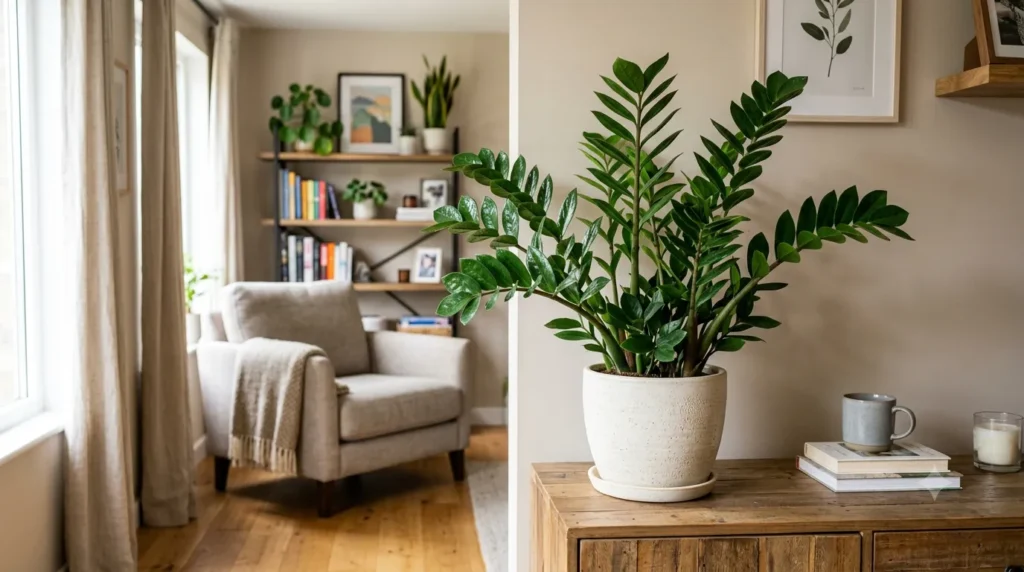
The ZZ Plant is one of the most reliable low light houseplants you can grow indoors. Its glossy, dark green leaves stay attractive year-round, and it thrives in spaces where many other plants struggle. More importantly, it’s incredibly drought tolerant thanks to its thick underground rhizomes that store water.
Watering:
The biggest mistake people make with ZZ Plants is overwatering. In spring and summer, water every 2 to 3 weeks, but only if the soil is completely dry. During fall and winter, reduce watering to every 3 to 6 weeks, as the plant’s growth slows significantly.
How to tell if it needs water:
Don’t rely on a schedule alone. Push your finger about 2 to 3 inches into the soil. If it feels even slightly damp or cool, wait. The soil should be dry throughout before watering again.
How to avoid overwatering:
Always use a pot with drainage holes and empty the saucer after watering. Yellow stems, mushy roots, or soil that stays wet for days are common signs that the plant is getting too much water.
Best for:
Offices, bedrooms, and dark corners
2. Snake Plant
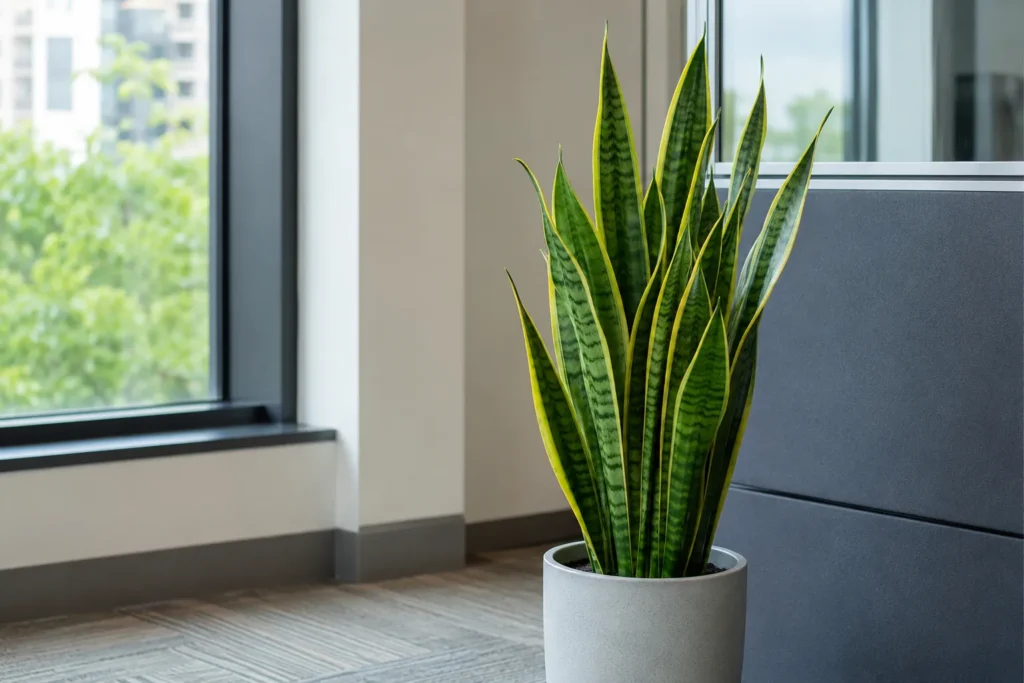
The Snake Plant is one of the best houseplants for low light because incredibly resilient. Its tall, upright leaves add structure to a room, while its ability to tolerate low light and neglect makes it a favorite among beginners and experienced plant owners alike.
Watering:
Snake Plants prefer dry soil. During spring and summer, watering every 2 to 3 weeks is usually enough. In fall and winter, you can stretch this to every 4 to 6 weeks since the plant grows more slowly and uses less water.
How to tell if it needs water:
Check the soil before watering. Insert your finger 2 to 3 inches deep—if the soil still feels moist, wait. The leaves may also start to wrinkle slightly or lose some firmness when the plant is thirsty.
How to avoid overwatering:
Always plant it in well-draining soil and use a pot with drainage holes. Yellowing leaves, mushy roots, or leaves that suddenly collapse are signs of excess moisture.
Best for:
Bedrooms, living rooms, and home offices
3. Pothos
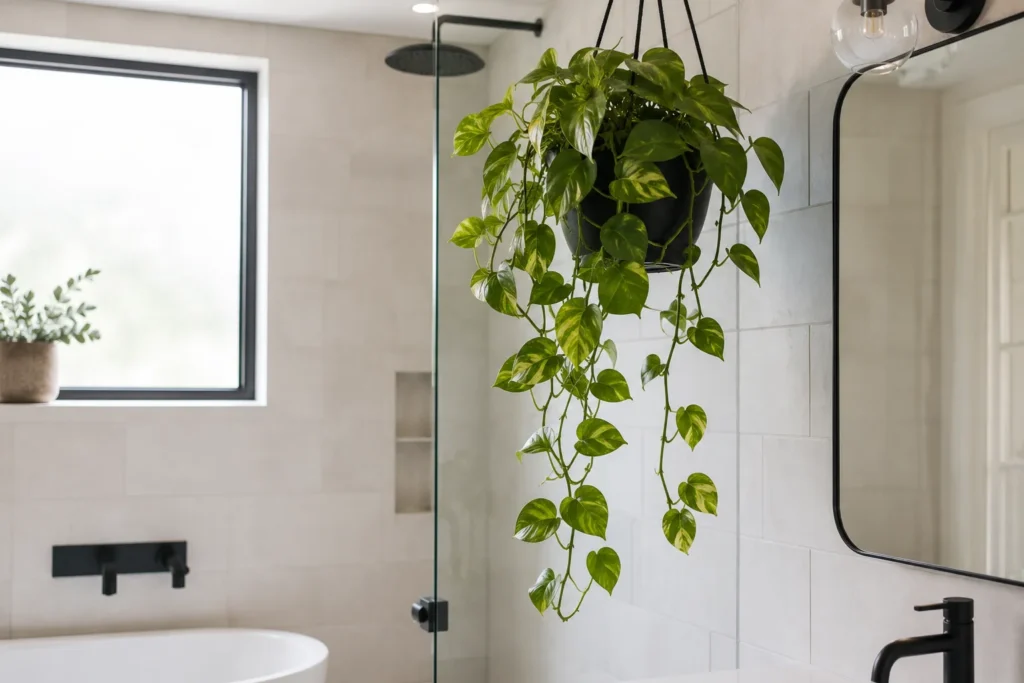
Pothos is one of the easiest indoor houseplants for low light and a favorite for shelves and hanging baskets. Its trailing vines and heart-shaped leaves grow quickly, adding a lush, relaxed feel to any room. While it grows faster in brighter indirect light, it adapts surprisingly well to lower light conditions.
Watering:
Water every 1 to 2 weeks during spring and summer, allowing the top inch of soil to dry out first. In cooler months, reduce watering frequency as growth slows.
How to tell if it needs water:
Pothos makes it easy; its leaves start to droop slightly when it’s thirsty. You can also check the soil; if the top inch feels dry, it’s time to water.
How to avoid overwatering:
Never let the plant sit in standing water. Yellow leaves combined with wet soil are a sign that you’re watering too frequently.
Best for:
Shelves, hanging baskets, bathrooms, and living rooms
4. Cast Iron Plant
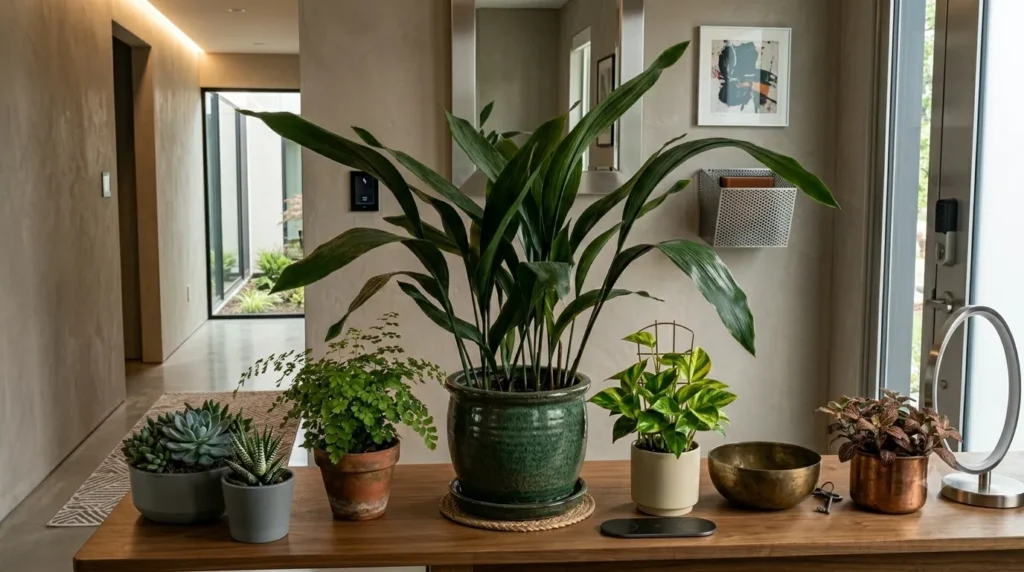
True to its name, the Cast Iron Plant is incredibly hardy. It endures low light, inconsistent watering, and changing indoor conditions better than most houseplants. Its long, dark green leaves bring a simple elegance to shaded spaces.
Watering:
Water every 2 to 3 weeks in spring and summer. During fall and winter, allow the soil to dry more thoroughly and water less often.
How to tell if it needs water:
Check the soil a few inches below the surface. If it feels dry, give it a thorough watering. Brown leaf tips indicate the plant has gone too long without water.
How to avoid overwatering:
Make sure excess water drains easily from the pot. The Cast Iron Plant prefers slightly dry soil over constantly moist conditions.
Best for:
Hallways, offices, entryways, and shaded corners
Read More: How to Modernize Your Home on a Budget
5. Chinese Evergreen
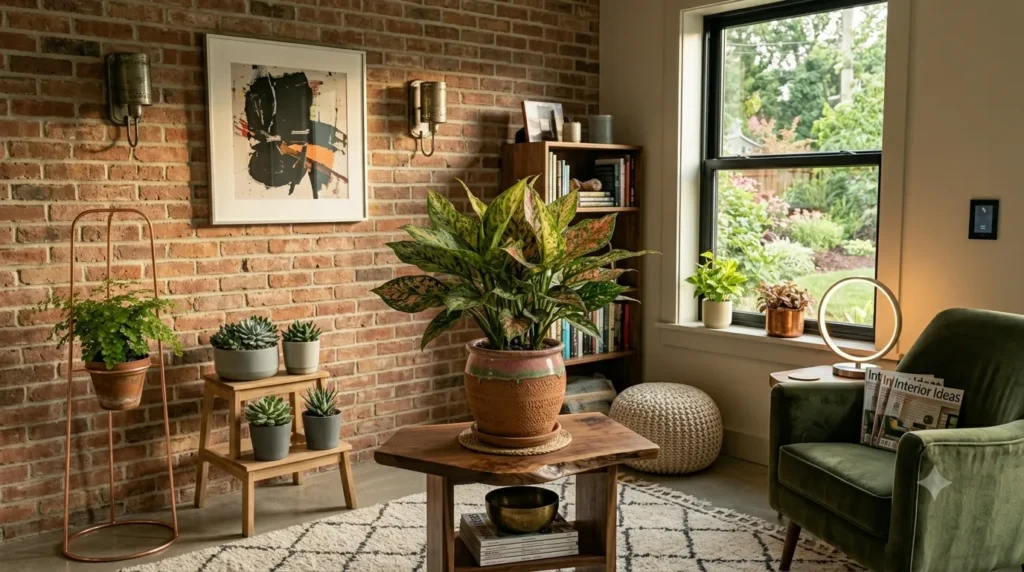
If you want attractive foliage with minimal effort, Chinese Evergreen is your go to. Its leaves come in beautiful shades of green, silver, cream, and even pink, making it an eye-catching addition to indoor spaces.
Watering:
Water when the top 1 to 2 inches of soil feel dry. During winter, reduce watering as the plant’s growth naturally slows down.
How to tell if it needs water:
Drooping leaves or dry soil are reliable signs. The plant usually perks up quickly after a thorough watering.
How to avoid overwatering:
Avoid keeping the soil constantly wet. Yellow leaves and soft stems often indicate excess moisture around the roots.
Best for:
Living rooms, bedrooms, and offices
6. Peace Lily
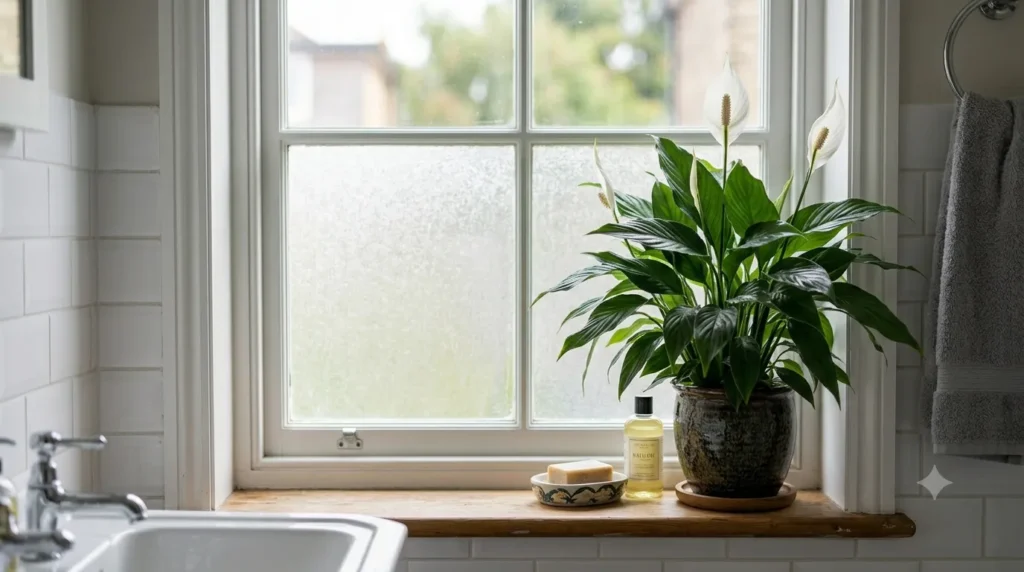
Peace Lily is loved for its glossy green leaves and elegant white flowers. It’s one of the few low light houseplants that can bloom indoors, making it a popular choice for people who want both foliage and flowers.
Watering:
Keep the soil lightly moist during spring and summer, watering about once a week. In winter, allow the soil to dry slightly more between waterings.
How to tell if it needs water:
Peace Lilies are very expressive. Their leaves droop noticeably when they’re thirsty, but they usually recover quickly after watering.
How to avoid overwatering:
Water only when the top inch of soil feels dry. If the leaves turn yellow and the soil stays wet, reduce watering immediately.
Best for:
Bedrooms, living rooms, and bathrooms
7. Heartleaf Philodendron
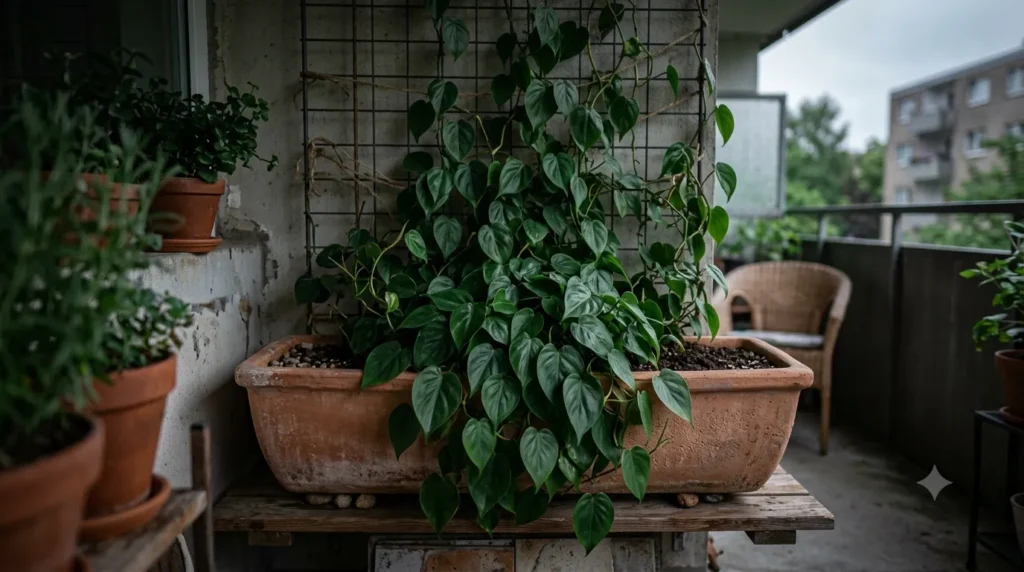
Heartleaf Philodendron is a classic indoor plant known for its trailing vines and glossy, heart-shaped leaves. It’s easy to grow, forgiving of occasional neglect, and adapts well to low-light conditions.
Watering:
Water when the top inch of soil feels dry. During winter, water less frequently as the plant’s growth slows.
How to tell if it needs water:
Slightly drooping leaves and dry topsoil are clear signs that the plant is ready for watering.
How to avoid overwatering:
Ensure the pot drains well and avoid watering if the soil still feels damp below the surface.
Best for:
Shelves, desks, and hanging planters
8. Parlor Palm
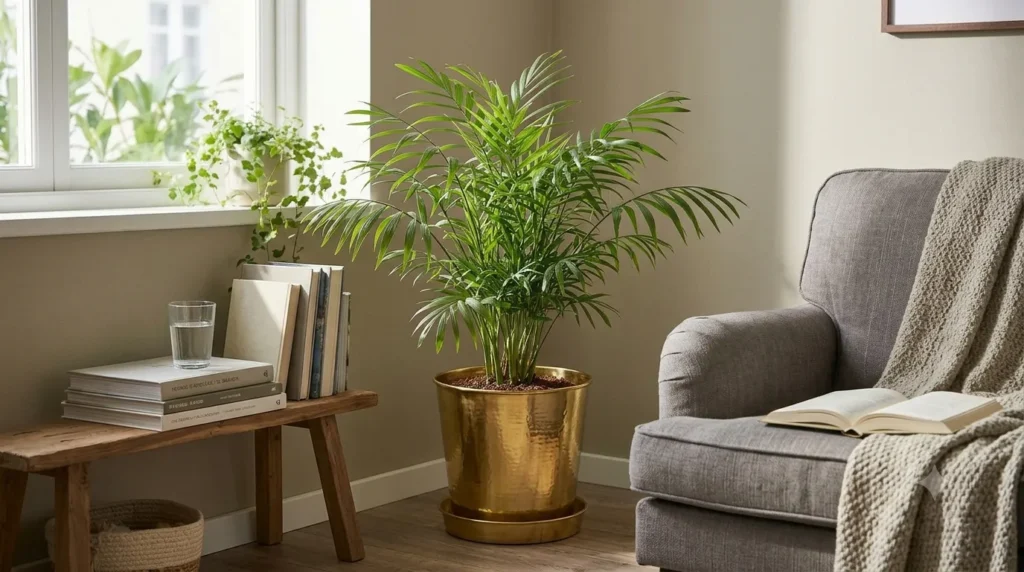
Parlor Palm adds a soft, tropical touch to interiors and is surprisingly tolerant of low light. Its feathery fronds grow slowly, making it a low-maintenance option for apartments and offices.
Watering:
Water every 1 to 2 weeks during warmer months. In winter, wait until the topsoil dries slightly before watering again.
How to tell if it needs water:
Dry soil and browning leaf tips can indicate the plant needs water, though occasional brown tips can also result from dry indoor air.
How to avoid overwatering:
Keep the soil lightly moist, not soggy. Make sure the pot drains well and avoid letting water collect at the bottom.
Best for:
Apartments, offices, and living rooms
9. Spider Plant
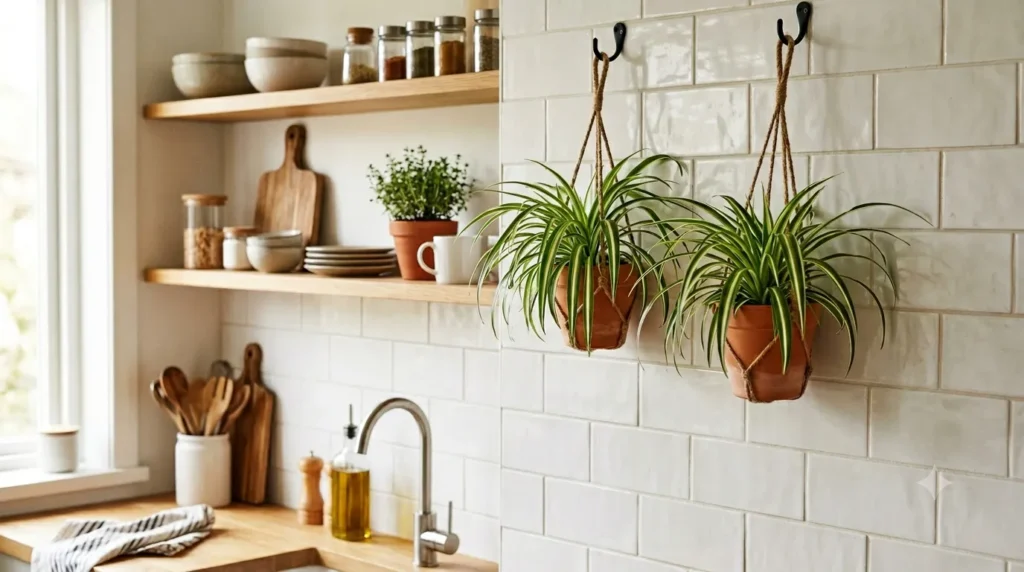
Spider Plants are easy-going, adaptable, and one of the best indoor houseplants for low light if you’re just starting out. Their arching leaves and baby plantlets add a playful touch to shelves and hanging baskets.
Watering:
Water about once a week during the growing season. In winter, allow the soil to dry a little more between waterings.
How to tell if it needs water:
Dry soil and pale or drooping leaves are common signs that it’s time to water.
How to avoid overwatering:
Use well-draining soil and avoid watering again until the top layer has dried out.
Best for:
Kitchens, shelves, and hanging baskets
10. Dracaena
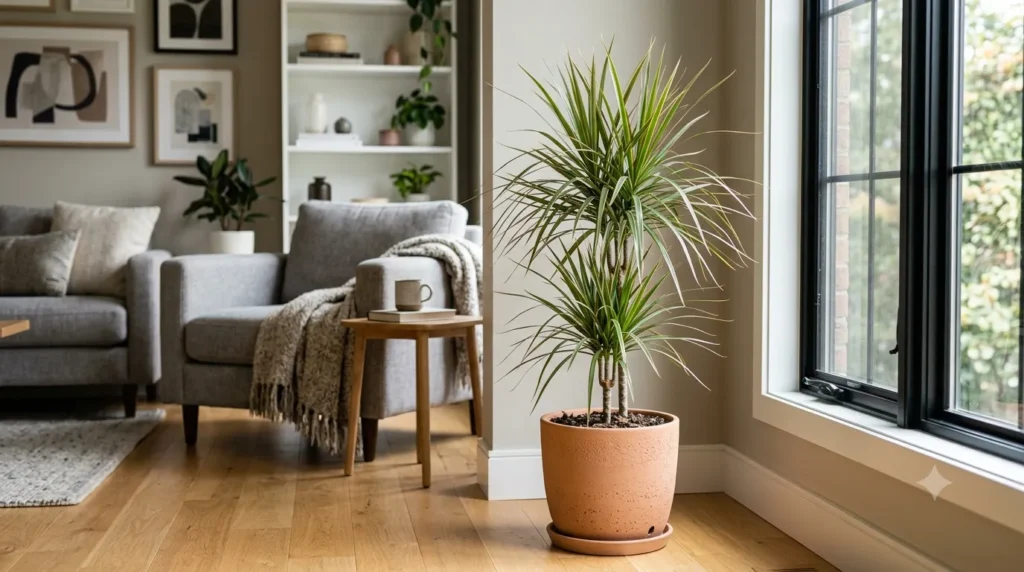
Dracaena is an elegant, upright plant that works beautifully in modern interiors. It tolerates low light better than many larger houseplants and comes in several attractive varieties with striped or solid green foliage.
Watering:
Water every 1 to 2 weeks during spring and summer, allowing the top half of the soil to dry between waterings. Reduce watering in winter.
How to tell if it needs water:
Dry soil, brown leaf tips, or slightly drooping leaves can indicate the plant needs watering.
How to avoid overwatering:
Dracaena dislikes soggy soil. Always use a pot with drainage holes and allow excess water to drain completely.
Best for:
Living rooms, offices, and empty corners
Essential Care Tips for Low Light Houseplants
Plants growing in low light need slightly different care than those in bright rooms.
- Water less frequently, as the soil dries more slowly.
- Make sure pots have drainage holes.
- Wipe dust from leaves regularly so they can absorb light efficiently.
- Rotate plants every few weeks to encourage even growth.
- Avoid placing plants in completely dark rooms.
- Avoid placing plants in direct afternoon sun after keeping them in low light
- Don’t ignore signs of root rot or yellowing leaves
A little attention goes a long way when caring for low light houseplants.
Conclusion
The best low light houseplants prove that you don’t need bright, sunny rooms to enjoy indoor greenery. From the nearly indestructible ZZ Plant to the elegant Peace Lily and the trailing beauty of Pothos, there are plenty of options that thrive in dim spaces while requiring minimal care.
The secret is simple: choose plants that match your home’s light conditions, avoid overwatering, and pay attention to their natural growth cycles. With the right care, these indoor houseplants for low light can stay healthy and beautiful for years, bringing life and freshness to every corner of your home.
As you continue creating a greener and more inviting living space, having reliable guidance can make all the difference. At The Home Gardenist, we’re passionate about helping you make smarter choices for your home—whether you’re looking for practical plant care advice, inspiring décor ideas, or carefully selected products that make indoor gardening easier.
Explore our latest guides and recommendations to create a home that’s beautiful, functional, and filled with plants that truly thrive.